
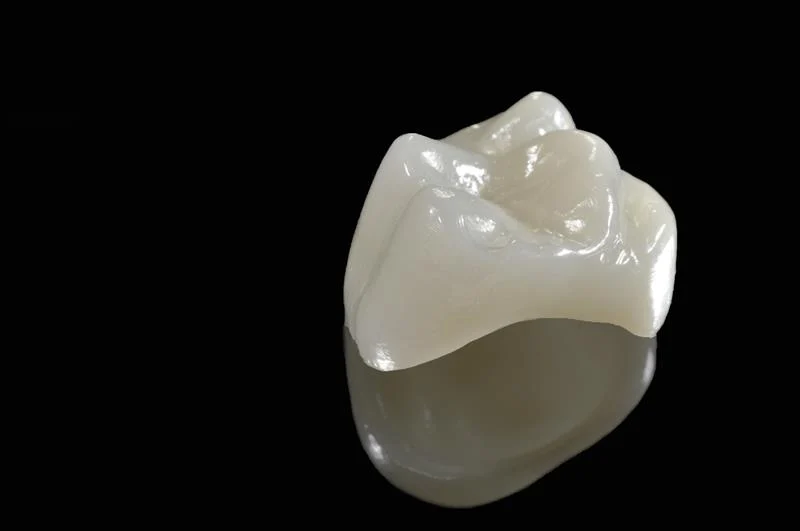
Strong, Natural-Looking Protection for Damaged Teeth
When a filling is no longer enough, a porcelain crown can rebuild the tooth so it looks natural and works well when you bite and chew. At Canyon Springs Dental in Surprise, AZ , we use custom porcelain crowns to restore teeth that are badly decayed, cracked, worn down, or weakened by past treatment. We will help you choose the type of crown that fits your tooth and your goals.
request an appointmentWhen a Porcelain Crown Is the Right Choice
A crown is a tooth-shaped cap that fits over the entire visible part of a tooth. It is a good option when a smaller repair will not last. We often recommend crowns for:
- Teeth with extensive decay that a filling cannot support
- Severely damaged or cracked teeth
- Teeth that have already had several fillings and have lost structure
- Teeth that have had a root canal and need added strength
- Worn or misshapen teeth that affect your smile or bite
For smaller areas of damage, a filling or an inlay or onlay may be enough. We will examine the tooth and explain which option makes the most sense.
Benefits of Porcelain Crowns
- A natural look, because porcelain can be matched to the shade of your surrounding teeth
- Strength to handle everyday biting and chewing
- Protection for a weak tooth, which helps prevent further damage
- A comfortable, secure fit that is bonded to your own tooth
- Long-lasting results with good oral hygiene and regular checkups
Types of Porcelain Crowns
There are several kinds of porcelain crowns, and each has its own strengths. Some are made entirely of porcelain or ceramic for the most lifelike appearance. Others combine porcelain with a stronger base material for added durability in the back of the mouth. The best choice depends on the location of the tooth, how much natural tooth remains, your bite, and your cosmetic goals. Your dentist will go over the options with you so you can choose with confidence.
What to Expect During Treatment
Your dentist will first examine the tooth and take images to plan your treatment. The tooth is then numbed and gently reshaped so the crown can fit properly. An impression or digital scan is taken so your crown can be made to match your bite and your smile. A temporary crown protects the tooth while the permanent one is made. At your next visit, the permanent crown is checked for fit and appearance and then bonded in place.
Caring for Your New Crown
Crowns do not decay, but the tooth underneath still can. Brush twice a day, floss daily, and keep up with regular cleanings and exams so we can check the crown and the surrounding gums. Avoid chewing ice or very hard objects, and tell us if you grind your teeth at night so we can protect your restoration.
Porcelain Crown Questions, Answered
How long do porcelain crowns last?
With good oral hygiene and regular dental visits, porcelain crowns can last many years. How long yours lasts depends on the crown material, the health of the underlying tooth, and habits such as grinding or chewing hard objects.
Does getting a crown hurt?
The tooth is numbed before treatment, so you should not feel pain during the procedure. Some sensitivity or soreness is common for a few days afterward and usually fades quickly.
How many visits does a porcelain crown take?
Most crowns take two visits. At the first, the tooth is prepared and a temporary crown is placed. At the second, the permanent porcelain crown is fitted and bonded. Your dentist will confirm the schedule for your treatment.
Will a porcelain crown look like my natural teeth?
Yes. Porcelain can be shaded to blend with your surrounding teeth, so a crown looks and feels like a natural part of your smile.
What is the difference between a crown and a filling?
A filling repairs a small to moderate area of damage within a tooth. A crown covers the whole visible tooth, which makes it a better choice when a tooth is badly decayed, cracked, or too weak to support a filling.
Can I eat normally with a crown?
Yes. Once your permanent crown is in place and any numbness has worn off, you can eat normally. It is still wise to avoid chewing ice, hard candy, and other very hard foods that could damage the crown.
How do I know if I need a crown?
Signs include a cracked or broken tooth, a large cavity, a tooth that has had a root canal, or a tooth with several old fillings. A dental exam is the best way to find out. Call (623) 476-5800 to schedule a visit.
Ready to Restore Your Tooth?
Don’t wait for a damaged tooth to get worse. Call (623) 476-5800 or request a visit online to find out whether a porcelain crown is right for you.