
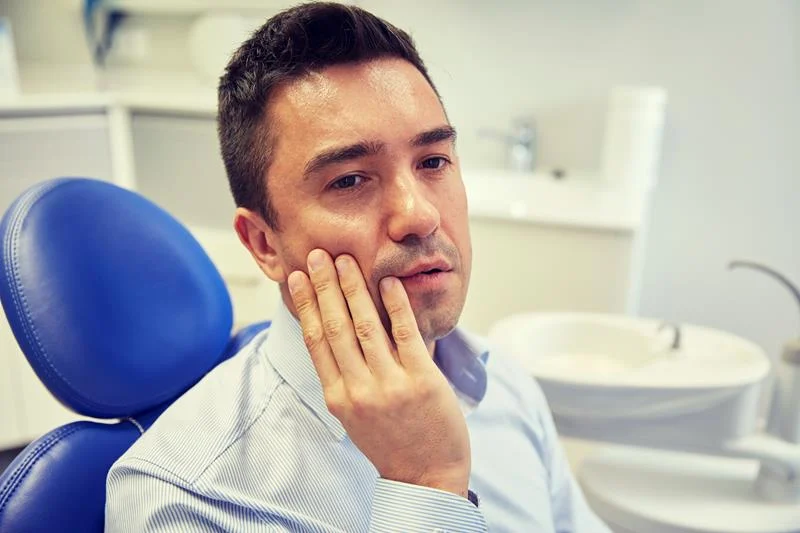
Relief From Tooth Pain Without Losing Your Tooth
Many people associate root canals with a lot of pain, but the procedure is what actually relieves it. At Canyon Springs Dental in Surprise, AZ , we perform root canal therapy with your comfort in mind, using modern technology and materials to make your visit as pleasant as possible while saving your natural tooth.
request an appointmentWhat a Root Canal Does
Inside every tooth is soft tissue called pulp, which contains nerves and blood vessels. When deep decay, a crack, or an injury lets bacteria reach the pulp, the tissue can become infected and inflamed. That often causes pain, swelling, and sensitivity, and if left alone the infection can spread to the surrounding bone and gum tissue.
During a root canal, we remove the infected pulp, clean and disinfect the inside of the tooth, and seal it to prevent reinfection. The goal is to stop the pain and keep your own tooth in place, which is almost always the best option for your bite, your smile, and your long-term oral health.
Signs You May Need a Root Canal
- Severe toothache, especially when chewing or biting down
- Lingering sensitivity to hot or cold after the temperature is gone
- A darkened or discolored tooth
- Swollen, tender, or sore gums near a specific tooth
- A pimple-like bump on the gums
- A cracked or chipped tooth, or a tooth with deep decay
Sometimes an infected tooth causes no symptoms at all, which is one reason regular cleanings and exams matter. If you are in pain right now, our emergency care team can help you get seen quickly.
What to Expect During Treatment
We begin with an examination and digital imaging to see the shape of your tooth's roots and the extent of the infection. Then we walk you through each step so you know what to expect.
- The area is numbed so you stay comfortable throughout the procedure.
- A small opening is made in the top of the tooth to reach the pulp.
- The infected or damaged tissue is carefully removed and the root canals are cleaned and shaped.
- The inside of the tooth is disinfected and filled with a biocompatible material.
- The opening is sealed with a temporary or permanent filling.
Most teeth that have had a root canal need a final restoration to protect them from fracturing. In many cases that means a porcelain crown that looks natural and restores full chewing strength.
Caring for Your Tooth Afterward
It is normal to feel mild tenderness for a few days as the area heals, and over-the-counter pain relievers are usually enough to manage it. Avoid chewing on the treated tooth until it is fully restored, and keep up with brushing, flossing, and your regular dental visits. With good care, a tooth treated with a root canal can last for many years.
Root Canal FAQs
Does a root canal hurt?
The procedure itself is performed under local anesthetic, so most patients feel pressure but little to no pain. The toothache that leads people to need a root canal is usually far worse than the treatment, and most patients feel relief once the infection is gone.
How do I know if I need a root canal?
Common signs include severe tooth pain, lingering sensitivity to hot and cold, swollen gums, a darkened tooth, or a bump on the gums. Only an exam and X-rays can confirm whether the pulp is infected, so it is best to have any persistent tooth pain checked promptly.
How long does a root canal take?
Many root canals are completed in one or two visits, depending on the tooth and the severity of the infection. Back teeth with multiple roots generally take longer than front teeth. We will give you a clear estimate after your exam.
Is it better to pull the tooth instead?
In most cases, saving your natural tooth is the better choice. It keeps your bite balanced, protects neighboring teeth from shifting, and avoids the added cost and time of replacing a missing tooth. If a tooth cannot be saved, we can discuss extraction and replacement options such as implants or bridges.
Will I need a crown after a root canal?
Often, yes. A tooth that has had a root canal can become more brittle, especially a molar that handles heavy chewing forces. A crown protects it from cracking and restores its strength and appearance. We will recommend the right restoration for your tooth.
What can I eat after a root canal?
Wait until the numbness wears off before eating to avoid biting your cheek or tongue. Stick to softer foods for the first day or two and avoid chewing on the treated tooth until it has its final restoration.
How can I prevent needing a root canal?
Brush twice a day, floss daily, wear a mouth guard if you play sports or grind your teeth, and see your dentist regularly. Treating cavities and cracks early, before they reach the pulp, is the best way to avoid a root canal.
Don't Wait on Tooth Pain
Call Canyon Springs Dental at (623) 476-5800 or request a visit online. We will find the cause of your discomfort and take care of it gently, so you can get back to eating, smiling, and living without pain.